Nine to Five

Workwear that actually works

Summer Office Dressing: Professional When It's Sweltering

2026-07-14

Quick Answer: Dress for two climates at once — a breathable core plus a permanent layer that lives at your desk. Choose linen blends, lightweight wool, cotton poplin, cupro, or Tencel, and avoid polyester entirely. A sleeveless shell with wide-leg trousers and a blazer over the back of your chair handles a 32°C commute and a 19°C conference room without a wardrobe change.

You leave the house in a heatwave, sweat through a twenty-minute commute, walk into an office set to arctic, and by 11am you’re cold. By the 2pm meeting you’re cold and rumpled.

This isn’t a willpower problem. It’s a systems problem, and it has a systems solution.

Summer Office Dressing: Professional When It's Sweltering

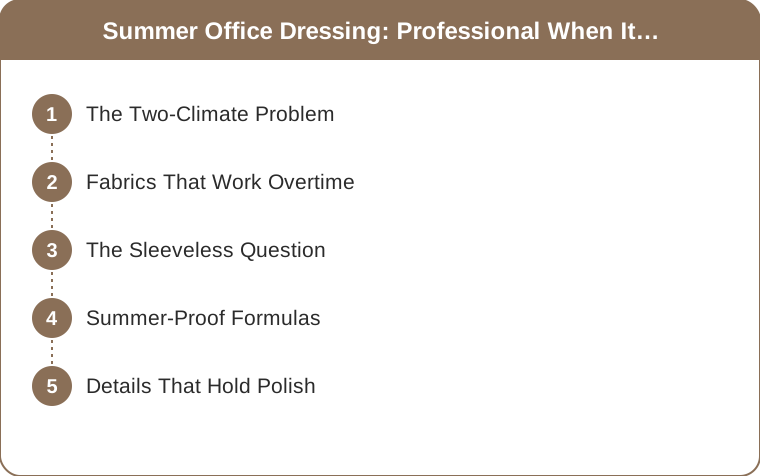
At a glance

How Do You Dress for Two Temperatures at Once?

Stop thinking in outfits and start thinking in systems.

An outfit has to be right for one temperature. A system has a core that handles the hot half and a layer that handles the cold half, and you move between them in about four seconds.

The core: breathable, professional, and comfortable at 30°C+. Usually sleeveless or short-sleeved.

The layer: a blazer, an unlined jacket, or a fine cardigan that lives at your desk permanently. Not carried back and forth — it stays there, so you’re never caught without it and never sweating through a commute holding one.

That single change — a permanent desk layer instead of a portable one — solves about 70% of the summer office problem on its own.

Which Fabrics Actually Work in a Summer Office?

Linen blends. Linen breathes better than almost anything, and a blend (linen-cotton, linen-viscose) cuts the wrinkle drama that makes pure linen a lunchtime liability.

Lightweight wool. This surprises people every year, but tropical-weight wool is one of the best hot-weather fabrics in existence. It breathes, it wicks, it drapes beautifully, and it resists wrinkling. Summer suits have been made from wool for a century for good reason.

Cotton poplin. Crisp, structured, professional. Ideal for shirts and shirt-dresses.

Cupro and Tencel. Both are cellulose-based, both feel like silk without the dry-cleaning bill, and both are notably cooler against skin than any synthetic.

Avoid polyester. It doesn’t breathe, it holds odour, and it turns a warm room into a personal sauna. It’s summer’s workplace enemy, and it’s in far more “professional” clothing than most people realize — check the label on that blouse.

Summer Office Dressing: Professional When It's Sweltering

Can You Wear Sleeveless to the Office?

In most modern workplaces, yes — with one qualifier.

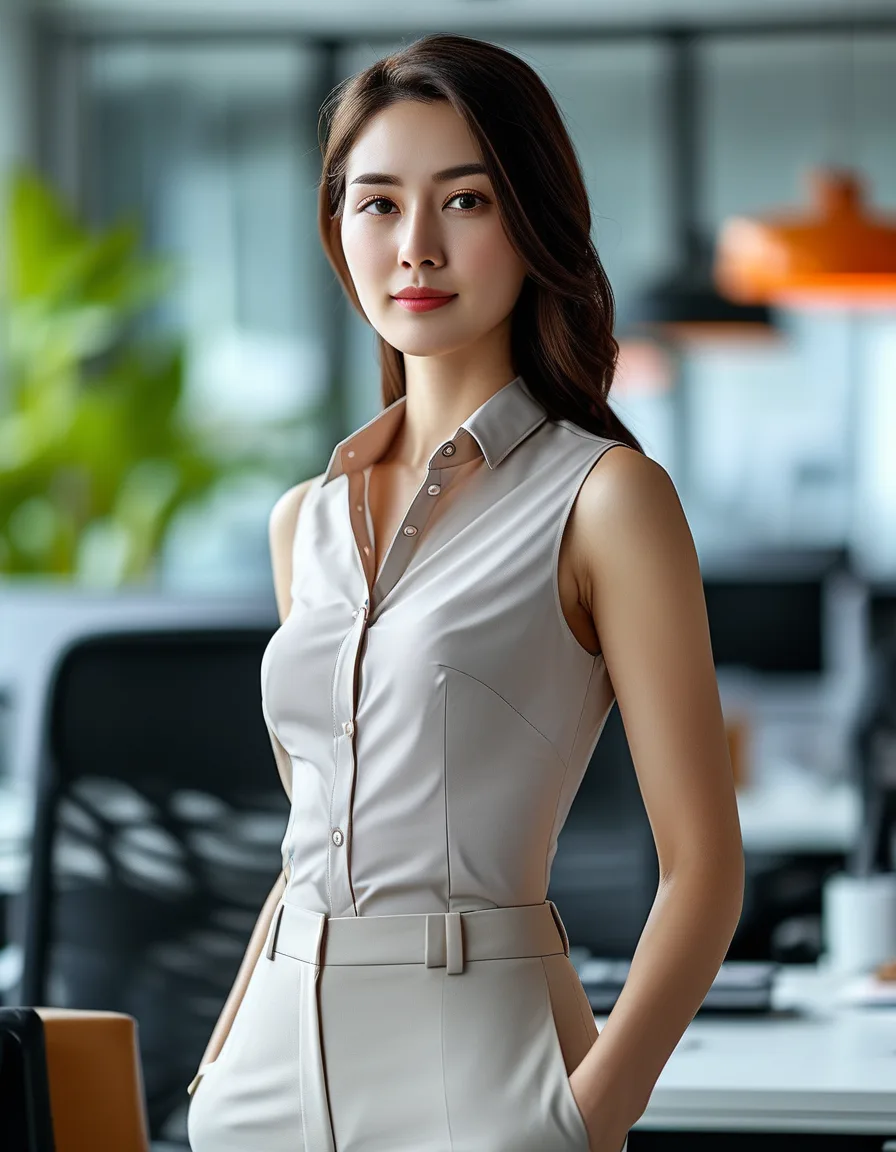
A structured sleeveless top reads office-appropriate: a proper shell with a defined shoulder seam, a woven fabric with some body, a neckline that sits where you’d want it in a meeting. A thin jersey tank with spaghetti straps doesn’t, in any office.

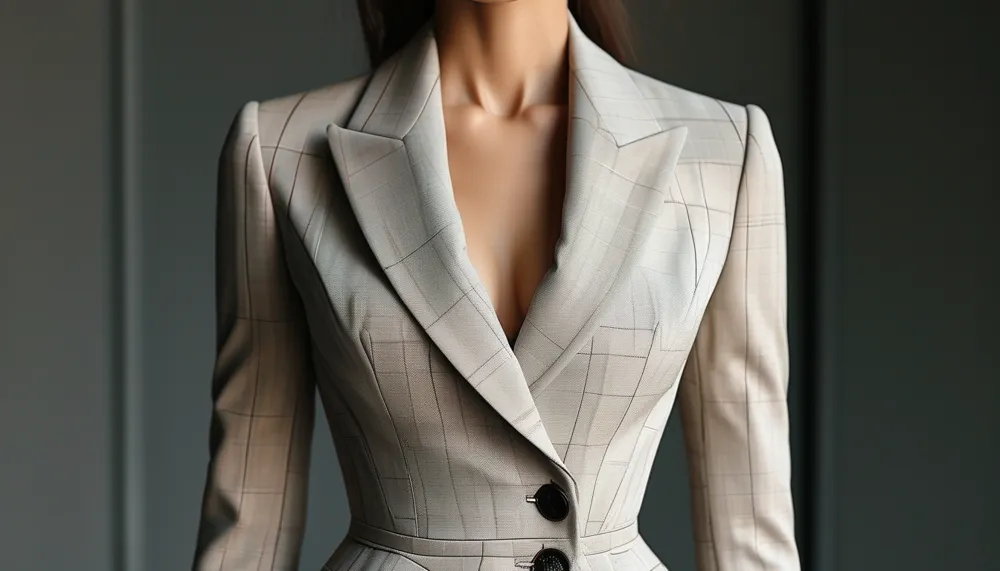
The strategy that makes it work regardless of your workplace’s temperature: coverage on demand. Keep the blazer at your desk, put it on for client meetings and presentations, take it off at your desk. You get to be comfortable by default and covered when it matters, which beats suffering by default and being appropriate all day.

If your office is genuinely formal or client-facing all day, swap the sleeveless shell for a short-sleeved silk or cupro blouse — same cooling benefit, more conservative read.

5 Mistakes Everyone Makes

1. Wearing polyester because it’s cheap and doesn’t wrinkle. It also doesn’t breathe. That trade is a bad one in July.

2. Carrying the blazer instead of stationing it. You end up holding a jacket in 32°C heat, which is the worst of every world. Leave it at work.

3. Buying pure linen for meeting days. Beautiful at 8am, thoroughly creased by 11. Save pure linen for days without presentations and wear blends the rest of the week.

4. Skipping the commute plan. If you walk or take transit, that twenty minutes is the actual hardest part of the day. Commute in flats and change at your desk, or accept that your shoes are doing double duty and buy accordingly.

5. Ignoring the AC draft position. If you sit under a vent, you need a scarf or a heavier layer than everyone else — and it’s worth asking to be moved, because eight hours in a cold draft is a genuine productivity tax, not a preference.

What Are the Reliable Summer Office Formulas?

Wide-leg trousers + sleeveless shell + desk blazer. The workhorse. Wide legs move air; a shell handles the heat; the blazer handles the meeting.

Midi shirt-dress + loafers. One garment, zero decisions, appropriate everywhere. In cotton poplin or a linen blend it’s the single easiest summer office outfit.

Linen suit separates worn apart. Buy a matching linen blazer and trouser, then wear them separately most of the time. The blazer goes with everything; the trousers go with everything; together they’re a suit for the days that need one.

Structured skirt + tucked short-sleeve knit. A cooler alternative to trousers that still reads formal, and midi lengths handle both sitting down and air conditioning.

If your workplace runs casual, the same layering logic works with softer pieces — a longline knit over high waist leggings and a structured tote reads pulled-together without adding heat.

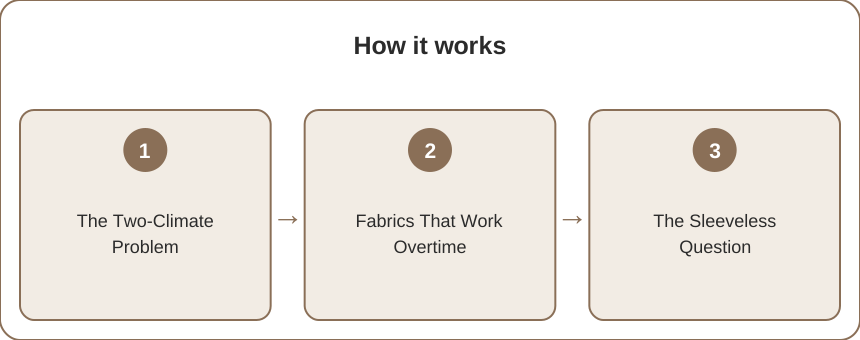
How it works

What Details Keep You Looking Polished?

Summer polish is mostly logistics, not styling.

  • Closed or almost-closed shoes. Loafers, mules, closed-toe flats. Fully open sandals read casual in most offices, and they’re cold under aggressive AC anyway.
  • A light scarf in the drawer. Fights the vent draft, adds a layer of polish, weighs nothing.
  • A refresh kit at your desk. Blotting papers, deodorant, a small brush, spare tights if you wear them. Ninety seconds before a meeting resets everything.
  • Anti-chafe shorts under skirts and dresses. The single most underrated summer workwear item, and nobody talks about it.
  • A spare shirt in the drawer for the day the commute goes badly. It will, eventually.

Frequently Asked Questions

Is it unprofessional to wear sandals to the office in summer?

It depends entirely on your workplace, but the safe read is: closed-toe or nearly-closed shoes for client-facing and formal environments, and a structured sandal (block heel, leather, not flip-flop) for most creative and casual offices. When unsure, look at what the most senior woman in your department wears and calibrate to that.

How do you stop linen from wrinkling before lunch?

You largely can’t with pure linen — that’s its nature. Use linen blends (at least 40% cotton or viscose) for anything worn on meeting days, hang the garment overnight rather than folding it, and pick looser cuts, since fitted linen creases far more visibly than a relaxed shape.

What’s the best fabric for a summer suit?

Tropical-weight wool, around 200–240gsm. It breathes, holds a crease, resists wrinkling, and drapes properly — everything summer-weight cotton and linen suits struggle with. It costs more than a poly-blend summer suit and outperforms it by an enormous margin.


TL;DR:

  • Think systems, not outfits: breathable core + a layer that lives permanently at your desk
  • Best fabrics: linen blends, lightweight wool, cotton poplin, cupro, Tencel. Skip polyester
  • Structured sleeveless shells work in most offices; the desk blazer covers the exceptions
  • Reliable formulas: wide-leg + shell + blazer, or a midi shirt-dress with loafers
  • Summer polish is logistics — desk refresh kit, a light scarf, anti-chafe shorts, a spare shirt
  • Never carry the blazer. Station it.

Master the two-climate wardrobe and you’ll be boardroom-ready without melting on the way in.

Keep Reading

This article is for general styling and informational purposes only. Trends, sizing, availability and pricing may vary by brand and season.

office stylesummerworkwear

← All articles